

For decades, students returned to class on the first Thursday of September, marking the unofficial end of summer. Under Mayor Zohran Mamdani’s new school calendar, public school students will now start classes during the second week of September — a shift that extends summer break while reducing days off and shortening breaks throughout the school year.
The revised calendar reflects Mamdani’s push to restructure the academic year, trading a later start date for a more condensed schedule. While some families welcome the extra week of summer, others worry that fewer holidays and shorter breaks could leave students and teachers with less time to recharge during the school year. The change is expected to affect thousands of public school students and reshape long-standing back-to-school routines across the city.
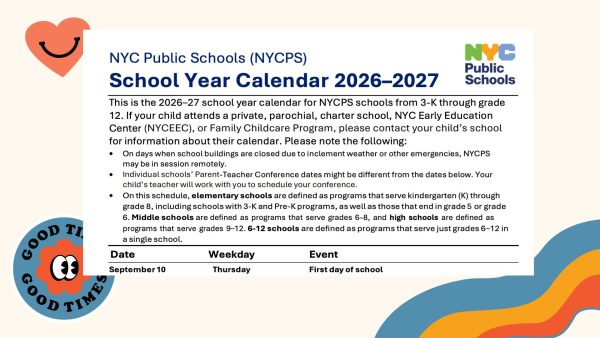
Under the revised calendar, students are expected to have fewer long weekends and shorter holiday recesses in order to meet the state requirement of 180 instructional days. While the school year would begin later in September, officials are attempting to preserve the overall number of classroom days by tightening the schedule during the fall and spring semesters. The changes could mean shorter winter and spring breaks, fewer standalone staff development days, and less downtime between marking periods.
Although the calendar adjustment has sparked discussion across schools, many details about next year’s time schedules are still being determined.
The revised scheduling structure may also change how teachers and students experience the school week. Fewer professional activity periods could slightly alter after-school routines, while additional conferences scheduled throughout the year may place more responsibilities on teachers during already condensed semesters. Because the calendar includes fewer breaks, many educators are concerned that students may face longer stretches of uninterrupted instruction without the pauses that traditionally help reduce stress and academic burnout.
Sultana also emphasized that “the school calendar is set by the NYCDOE and aligned with any stipulations within the DOE/UFT contract,” adding that “school always opens after the Labor Day holiday.”
Some educators believe the later start date could benefit families despite the concerns surrounding reduced breaks. Ms. Siano, a guidance counselor, said, “I think that the later start date gives an opportunity for students and their families to prepare for the upcoming school year.” For families who travel or need additional time for childcare arrangements and school shopping, the extra week of summer may ease the transition into September. However, she noted that staff members have “not heard of any changes for the new school year” beyond the calendar adjustment.
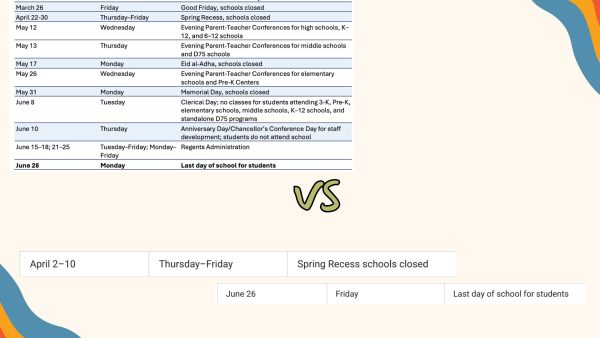
Students, meanwhile, have expressed mixed feelings about the revised schedule. Andrea Nauta, a junior, said she believes the new start date is going to be “predictably unpredictable.” She explained that the delayed opening could “affect our holidays [and] possibly shorten them in order to meet the requirements of 180 days.”
Nauta also voiced concern about the impact fewer breaks could have on students during the academic year. “This change would most likely cause a negative impact on the students,” she said, because breaks help students “take a break between school days,” even if the revised calendar allows “one or two additional days more before summer break.” Students often rely on holiday recesses and long weekends to catch up on sleep, spend time with family, and recover from academic pressure, making the reduction in breaks a major concern for many.
As schools continue preparing for the upcoming academic year, the revised calendar has already sparked debate over how to balance instructional time, student well-being, and family schedules. Supporters argue that the later start date gives families valuable additional summer time, while critics worry that shortening breaks throughout the year may leave students and teachers feeling exhausted before the school year ends. Whether the new calendar ultimately proves successful may depend on how effectively schools adapt to a more compressed academic schedule.