

Before quarantine hit in 2020 there had been a variety of examples of different cultures being overshadowed by people who refuse to acknowledge them. Dating back to 9/11, there were instances where people were shamed for celebrating their culture/religions and hate crimes against Muslims. The reality of this is reflected in the 2001 murder of Vasudev Patel, an Indian convenience store owner who was targeted by Mark Stroman, an attacker, who later revealed that his actions were driven by anger over the 9/11 attacks and directed towards store owners he believed appeared Muslim.
There was also racism against South-Asian people beginning in the 19th and 20th century, where they were and still are called “oily,” “dirty,”, “stinky,” and the list goes on just because they put oil in their hair or simply because their skin was a darker shade. There was also racism against East Asians who most commonly were shamed for their food “not smelling good” or “unhealthy, cheap and dirty.”
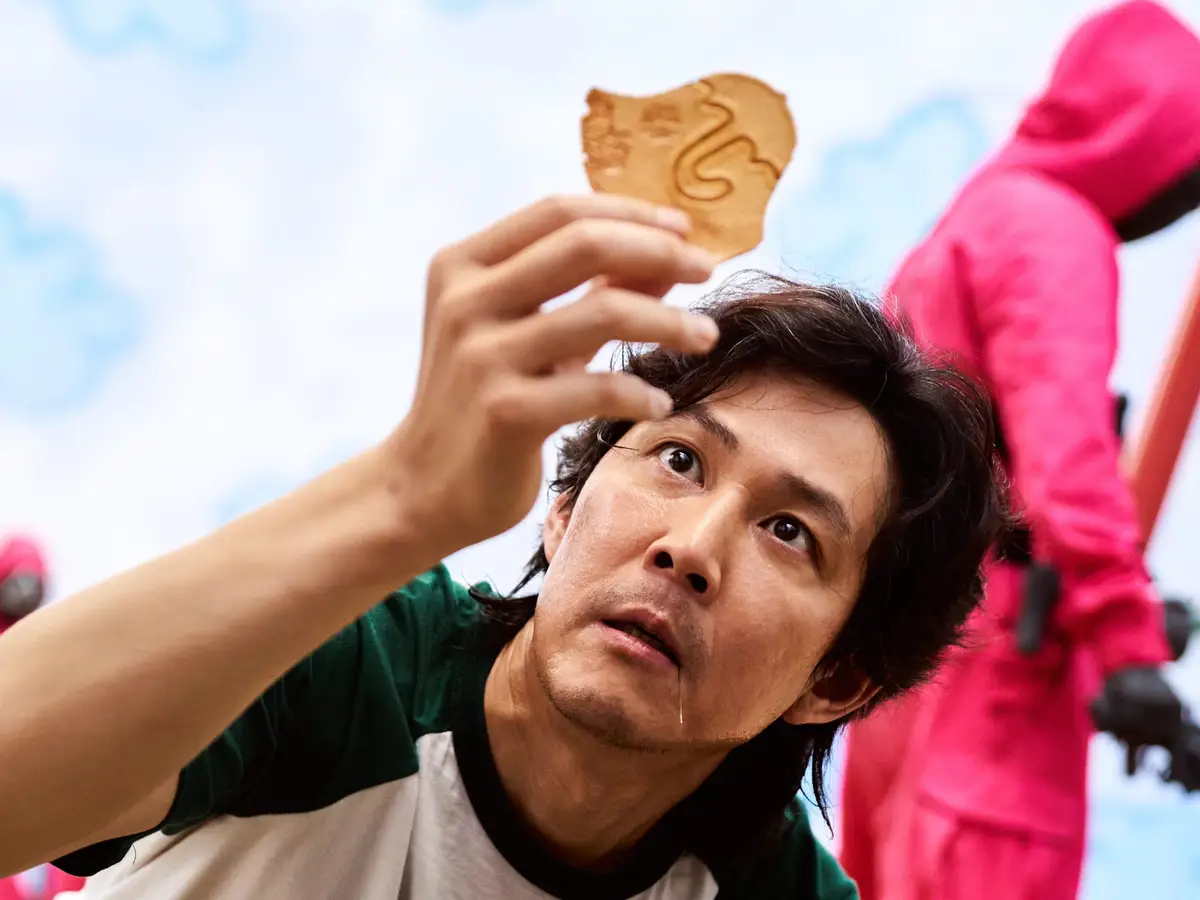
Specifically, when quarantine hit and people were stuck in their houses, they discovered more about cultures. A popular item that went extremely viral was the dalgona coffee or also known as whipped coffee that is made by whipping equal parts coffee, sugar and hot water that is then spooned over cold or hot milk.“Dalgona” is a traditional South Korean honeycomb toffee candy made from melted sugar and baking soda and the reason why dalgona coffee has the specific name is due to it having the similar color to dalgona. This candy is also shown in the popular Netflix show, “Squid Game.”
Dalgona coffee was just the beginning of deriving items from other cultures or exploring the culture. Several Asian cultural items, media, such as anime, Kpop and Kdrama, and food, such as fruit sandwiches, biryani and bento boxes, went virtual during quarantine. Anime is Japanese hand-drawn or computer generated animation with distinct, expressive art styles.
Popular anime such as “Demon Slayer,” “One Piece,” and “My Hero Academia,” gained popularity in 2020. Boba, also known as bubble tea, went viral and till this day is this popular. K-pop and K-Drama also became popular with people being more “willing” to listen to other music genres. From South Asian cultures, tea also became pretty popular with people mixing up the names calling it “chai tea,” which it just translates to tea tea.
This “acceptance” and usage of other cultural items did not stop after quarantine was over, in present time it is extremely common to find cultural foods or combining cultural and American food in one. This leads to the debate of appreciation and appropriation. Cultural appreciation is being respectful, informed and putting in effort to learn about other cultures while cultural appropriation is borrowing from other cultures without proper understanding or permission. This sudden rise of usage of cultural products raised the question of why? Why now and not before?
Even though cultural foods and traditions are more popular now, people sometimes still feel that only parts of their culture are accepted. Mariela Chevry, SPARK counselor at Edison, shared her perspective.
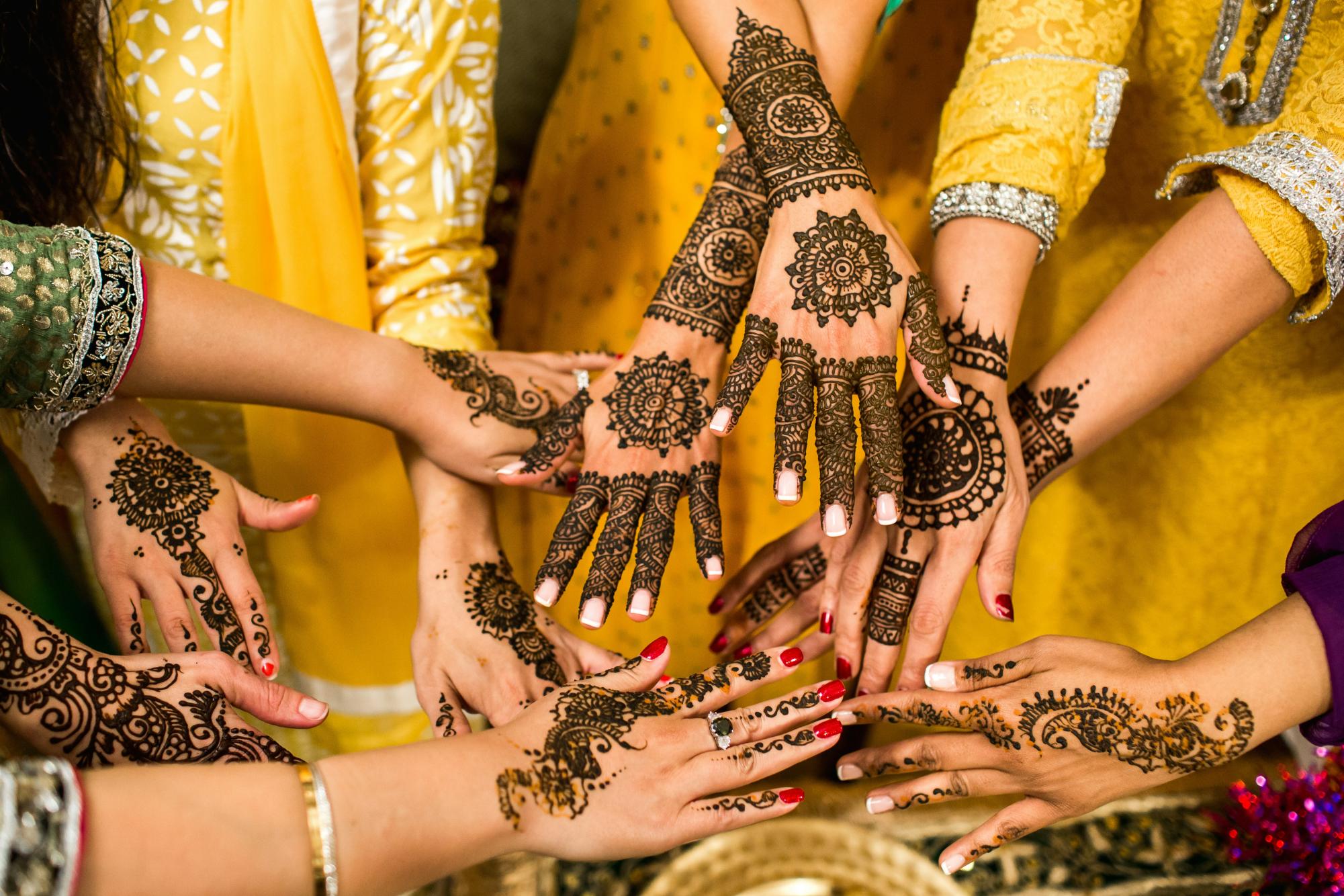
“Things like chai, matcha, Korean food, threading your eyebrows, butter chicken, yoga, henna, these are all part of everyday life now. People have adopted them and they’re basically everywhere,” Chevry said.
Despite this all, popularity doesn’t necessarily always mean full acceptance.
“Sometimes it feels like I’m not welcome, even though cultures are being accepted, I feel like people want to pick and choose what parts of their culture they want you to keep,” Chevry said.
Saniya Chowdhury, a freshman, talks about how clothing and food originating from another country are being adapted in the West.
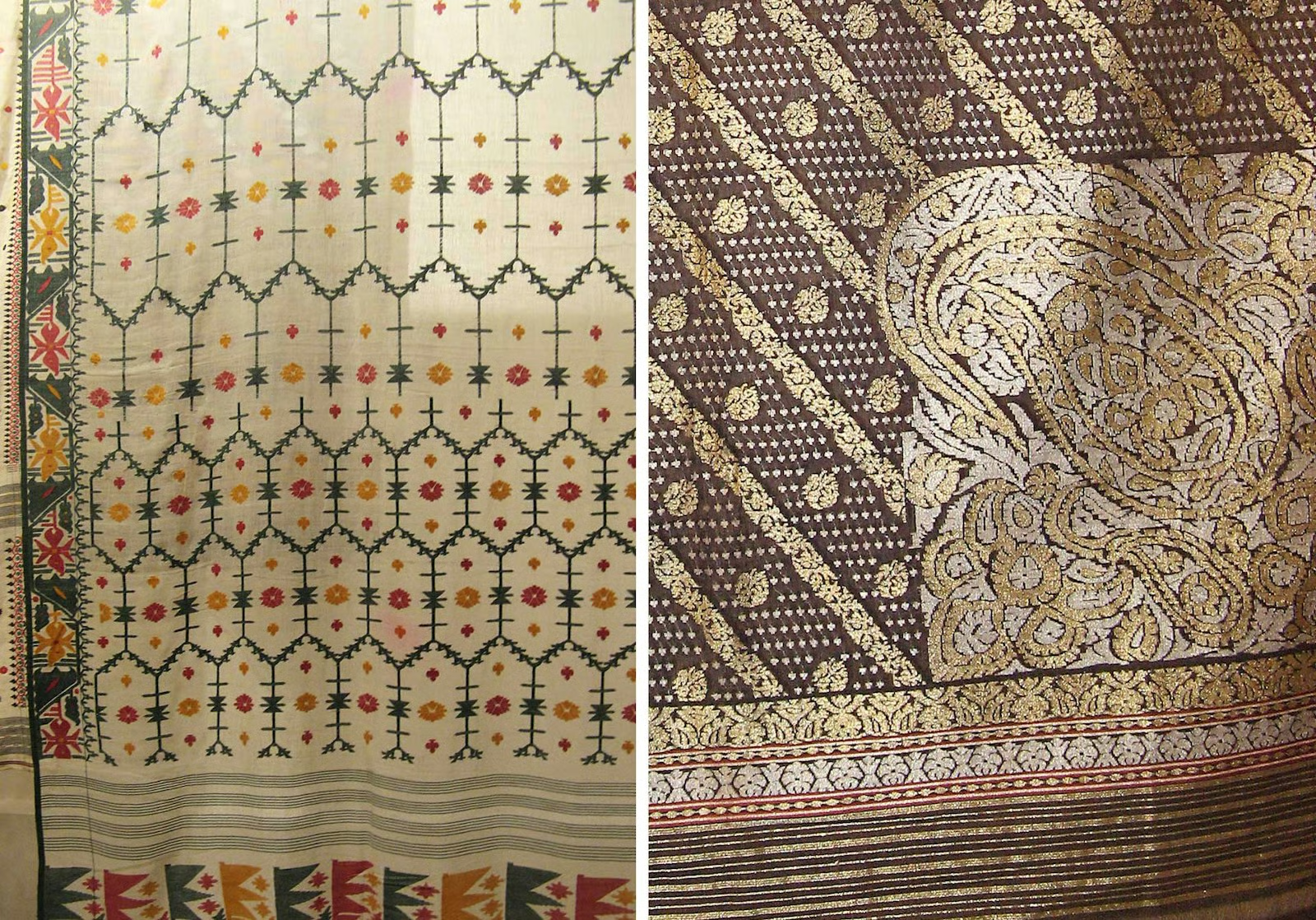
“I know many examples of things from my culture that have been adapted. For example, clothes, Muslin and Jamdani fabrics originate from Bangladesh, but have been adapted from the West. These fabrics being mass-produced, lowers their quality and lowers their historical value. Another example is food. Many people think that ‘chicken tikka masala’ is Indian, but it is actually a British-Bangladeshi cuisine,” says Saniya Chowdhury.
The adaptation does not only limit to clothes and food, it even goes to the specific lingo or way of speaking there is in specific cultures.
Mr. Rochford, teacher in the math department, speaks about how African-Americans shorten their words and how other people adapted that.
“I think, in general, for African-Americans, a lot of the approach we have towards speech, the way we shorten certain words, the way we say certain words, the way we got. We interact with each other has been kind of adopted as whether you want to call it cool or popular or whatever,” Mr. Rochford said.
Justin Smiley, a senior at TAEHS, last year participated in TEDxTAEHS Youth speaking about AAVE, African American Vernacular English, in modern communication, social media and pop culture to speak about how it has been stripped away from its intention.
“Some people get praised for sounding trendy while others get penalized for sounding like themselves,” Smiley says in his talk, “AAVE is a dialect cultivated into the black community for centuries. But due to the rise of social media, corporate branding and pop culture in general, it gets distorted in places that erased the intention and the intelligence of its native speakers.”
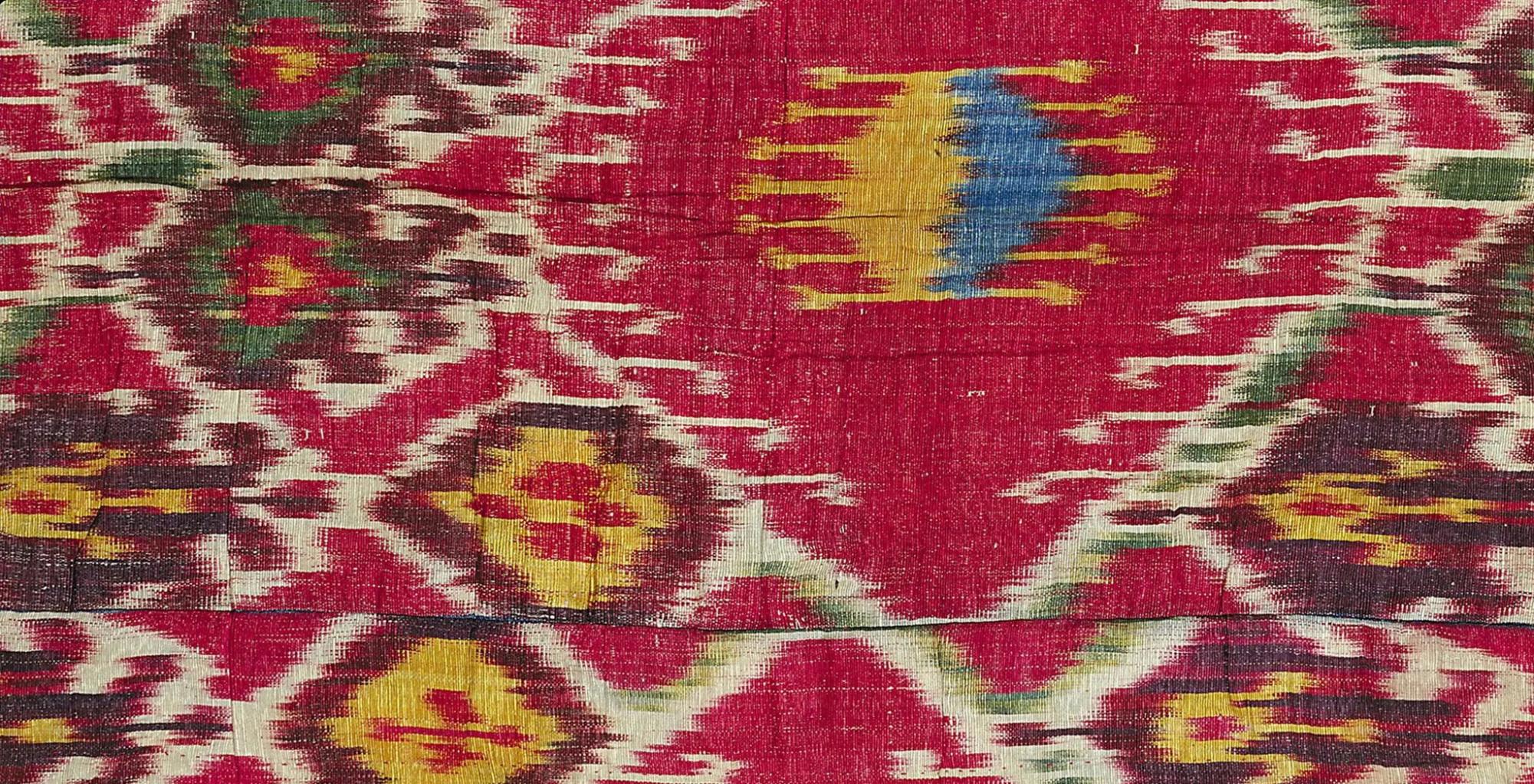
Malika Burieva is a content creator, cultural journalist and a professor at Adelphi University. She is Central Asian, specifically Uzbek and Turkmen. Malika Burieva uses her platform to bring attention to underrepresented identities and cultural traditions.
“One of the most famous examples is Ikat patterns being machine-made and presented through fast fashion or famous clothing brands, such as Ralph Lauren. Ikat patterns of Uzbekistan and Tajikistan were the centerpiece of Ralph Lauren’s Spring 2022 Ready-to-Wear Collection. The community of these cultures were in an uproar on their social media comments, and after days of ‘where’s the credit?’ comments along with, ‘know where they come from’, they finally gave credit on posts and on their website,” Burieva said.
However, this issue goes beyond clothing. Her discussion also includes the case of traditional Turkmen Rugs.
“Some other examples are the Turkmen Rug, also known as the Turkmen Haly, being appropriated as the Persian Rug. There are about 8 million diaspora Turkmens in Iran, outside of Turkmenistan. The tradition of rug making has carried on for centuries with the Turkmen people, even outside of Turkmenistan. The different tribal rug patterns are on the flag of Turkmenistan. Diaspora Turkmens have carried this tradition in Iran, Iraq, Afghanistan, and Uzbekistan. The patterns are not Persian. It’s been misconstrued that way because of other Persian-categorized rugs. Famously, in Central Asia and the Middle East, these rugs are known as Turkomani Rugs or Bokhara Rugs. With Turkmens, they are the Turkmen Haly,” Burieva said.
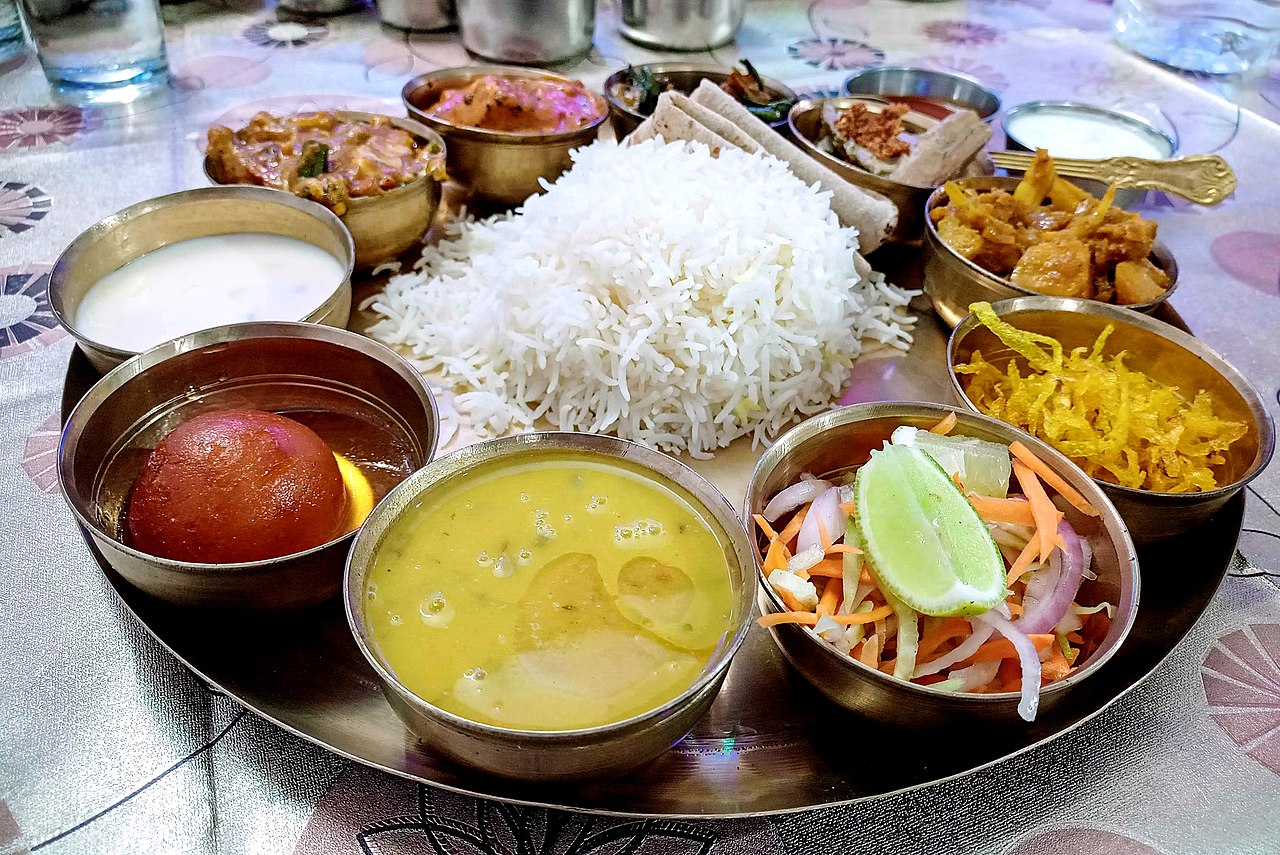
Food is one of the most important parts of different cultures and also the reason why many cultures have gone viral allowing people to try them and change them according to their tastebuds.
There are also times that foods are combined or altered in a way to adapt to people’s taste. This can lead to the food being exactly like how it is supposed to be cooked or taste completely different. Ms. Ho-Suh, teacher in the ISS department, talks about fusion food and how they are adapted to people’s palette such as spicy foods being altered to being “American spicy” which translates to being barely spicy.
“I think fusion food? There’s a lot of need or a lot of people really to remake cultural food and for example on Hillside, there’s a lot of Bengali restaurants.There are times where I would go out and I would try it. One of my friends would say, ‘By the way, that’s Bengali spicy,’ but then there are times where I might go out to the city or I might go out to Brooklyn, that could be American spicy, so you’re good. But I do like spicy food and maybe not as spicy as I want. Americans adapt food to suit American tastes.”
Your donation directly supports the hardworking student journalists of Thomas A. Edison Career and Technical Education High School. With your help, we can continue telling the stories that matter to our school community by upgrading our equipment and keeping our publication’s website running strong.