

For years, mental health was something students had struggled with by themselves silently. Now, as more students openly discuss stress, anxiety, and emotional well-being, schools are recognizing a growing need for an accessible and reliable support system. Schools have created programs, offices, and other services dedicated to helping students deal with their emotions.
As schools continue to expand their services for students, structured support has become more of a central part in students’ well-being. Increased awareness has influenced how schools respond, changing the development of services, such as meetings with your counselor, yoga, or group connections, that are designed to help students manage emotional challenges while supporting their personal and academic success.
“It is great to have a strong system of support in your friendships, but sometimes it is necessary to find a trusted adult to open up to. Counselors are trained professionals who have many years of experience helping others with mental health issues,” said Ms. Trebour, Guidance Counselor. “If you or someone else you know is struggling with thoughts of self harm please be sure to find an adult who can provide some additional support and get you the necessary help ASAP.”
When a student is struggling with their emotions about all sorts of things, they tend to not know where to turn. They tend to think that it’ll be better to hold it in rather than letting it out to people who are here for them. There are all sorts of different resources to help students convey their emotions.
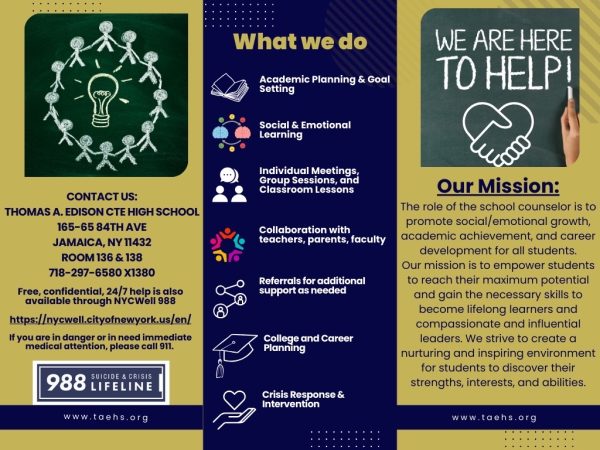
“The Guidance Department is here to help students and their families with personal, academic, and college and career-related concerns. Edison has 10 school counselors who are assigned to the various CTE Programs as listed below. We also have two social workers, Ms. Schipani and Ms. DiFava, who are here to support students. In addition, we also refer students to receive additional support from some of the following resources: Call/Text 988 crisis line for immediate, confidential support 24/7, NYC Teenspace (free virtual therapy for teens 13–17), and Marble Health Virtual Individual and Group counseling. We are here to help and listen without judgement. Sometimes just having a space to go to and someone to listen when you are feeling upset can make a big difference. Please don’t hesitate to come see us,” said Ms. Trebour.
“I do believe that PGC helps students from feeling isolated because it gives them another chance to be a part of a group setting where natural conversation and engagement is happening. There’s always gonna be someone there for them as support or as another ear to listen to,” said Alexis Mangru, senior.
Support groups like Peer Group Connection, PGC, have given students opportunities to open up around students their ages so they know that they aren’t alone. Even though PGC is mainly between the freshmen and seniors, it shows kids at Edison from early on that it’s okay for them to open up and speak out about something that’s bothering them.
“I think it does help students feel less isolated, although they are with people in groups that they probably never talk to so it could be uncomfortable to fully open up,” said Christine Hansraj, senior. “Well this program can help students lessen their stress because they can always come to us seniors or even message us.”
“Some changes I’ve noticed in freshmen have definitely been how open they are when it comes to communicating. PGC creates a sense of belonging because it helps them realize that they’re not alone. The most rewarding part is seeing and knowing that you are making a difference,” said Alexis Mangru.
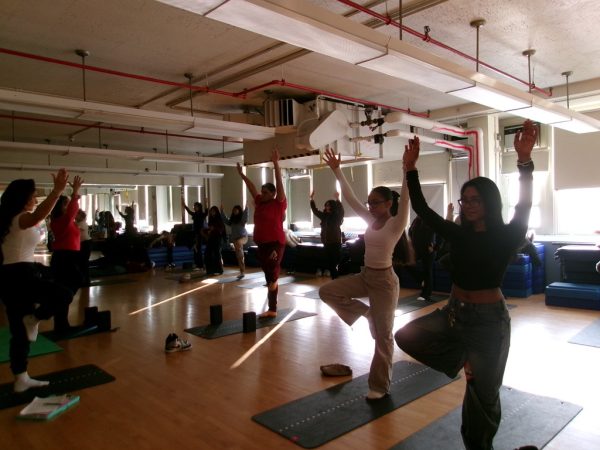
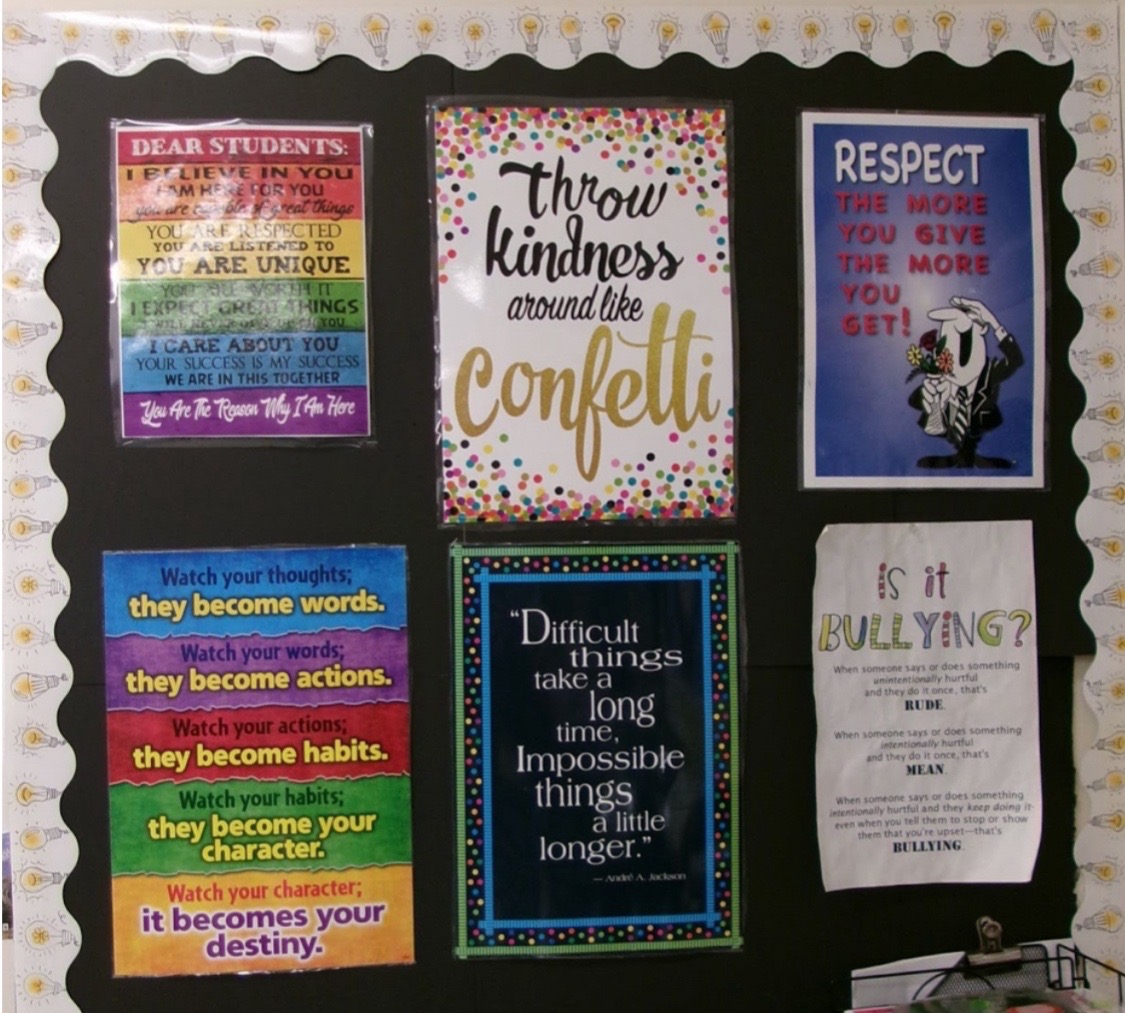
Besides PGC, students at Edison also have other ways to take care of their mental health. The school offers yoga classes where students can take a break, focus on breathing, and just relax for a bit. There’s also the Zen Room, a quiet space with warm lighting, mental health and support posters, and fidget tools where students can go to calm down and reset. Programs like yoga and the Zen Room give students more options for managing stress and taking care of their mental wellbeing.
Some students tend to not know when to reach out. They don’t know whether or not what they’re going through is serious or just an in the moment kind of emotion. Consider reaching out if you notice any of the following in yourself or someone else:
- Feeling overwhelmed, sad, or anxious most days
- Trouble sleeping or concentrating
- Withdrawing from friends or things you used to enjoy
- Changes in eating habits
- Feeling hopeless or unusually angry
- Struggling to manage schoolwork or daily routines