
Many teachers are starting to use artificial intelligence more often in classrooms to help with lesson planning, creating assignments, and giving feedback, which is changing the way classrooms are functioning function day to day.
As AI becomes more common in schools, many teachers are using it to guide them with their planning and creating engaging assignments. Some people think AI helps save time and makes learning better, while others worry it could hurt creativity or give students unfair advantages. Looking at how teachers actually use AI shows both the positives and the concerns behind this new technology.
Teachers in different subjects are already using AI in different ways. Some use it to help plan lessons, others use it to understand student performance, and many use it to make their instruction more accessible and efficient.
Mr. Kalloo, a network administrator and IT teacher, said he uses AI as a support tool, but not to replace his own teaching.
“I use AI every day, although I plan the lessons by myself because it’s more of a hands-on approach and you still need a human aspect,” Mr. Kalloo said. He explained that AI helps him make lessons clearer, improve instructions, and adjust for different student needs. “I also use it to make sure that I’m aligning with my certification standards,” so that lessons stay on track.
Mr. Kalloo also allows students to use AI in his class.
“Yes, I do allow it because we can’t hide from AI,” he said. He compared AI to a new version of Google and said students need to learn how to use it the right way instead of avoiding it. “Our roles as teachers have changed… we need to teach students how to use information the right way with AI,” he said.
Other teachers are using AI more for analyzing student work. Mr. Seecharran, also an IT teacher, uses it to figure out student strengths and weaknesses and adjust his lessons.
“I use it to analyze student work, identify weaknesses, and develop my lesson plans around the students’ weaknesses,” he said. He explained that this helps him respond to student needs faster than before.
Mr. Seecharran also said students seem to like this approach. “Yes, because before it was a lot more structured and planned,” he said, adding that AI helps him adjust lessons depending on where students are struggling. Like Mr. Kalloo, he also supports student use of AI, saying, “If they don’t use it, they are going to get left behind.”
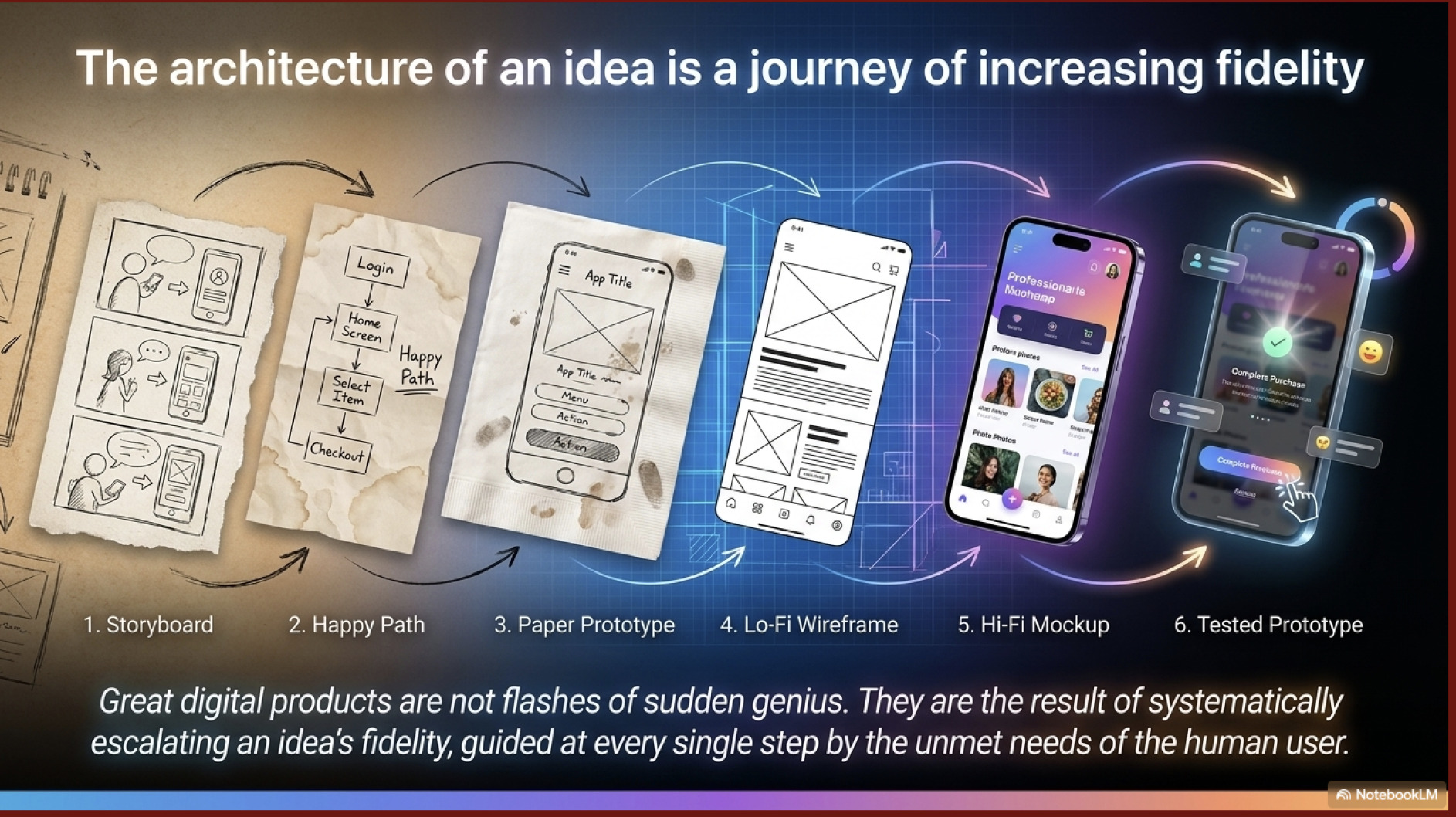
Ms. Ramirez, who teaches programming and prototyping, uses AI mostly to help her plan and organize her teaching. She said she uses tools like NotebookLM to make lesson planning faster. “It takes me maybe an hour or 20 minutes a day for the whole week of work,” she said, explaining that AI saves her a lot of time.

Ms. Ramirez also uses tools like ChatGPT and Gemini to proofread and revise her work, she said that AI helps her express ideas more clearly. “I ask AI to help me improve whatever I’ve already created,” she said.
At the same time, Ms. Ramirez said AI should not replace a teacher’s judgment, especially when grading. While it can help suggest feedback, she said human observation is still important. “The computer cannot observe behavior, body language cues… AI can help me provide better feedback, but it cannot do the thinking for me,” she said.
When it comes to students, she supports using AI in limited ways. She encourages it for brainstorming or creative ideas, but not for doing full assignments. “What I don’t allow is plugging the problem into AI and giving the solution,” she said. She explained that students need to develop their own thinking skills because that’s part of learning.
Overall, all three teachers had a similar idea: AI is not replacing teachers, but it is changing how they teach. It helps save time, support learning, and make lessons more flexible, while still keeping the teacher’s role important in the classroom.
As AI keeps growing in schools, teachers are still figuring out how to balance using it as a helpful tool while making sure students continue to think and learn on their own.