
In many stories centered on male protagonists, female characters are reduced to supporting roles—either love interests or narrative tools used to emphasize the hero’s strength.
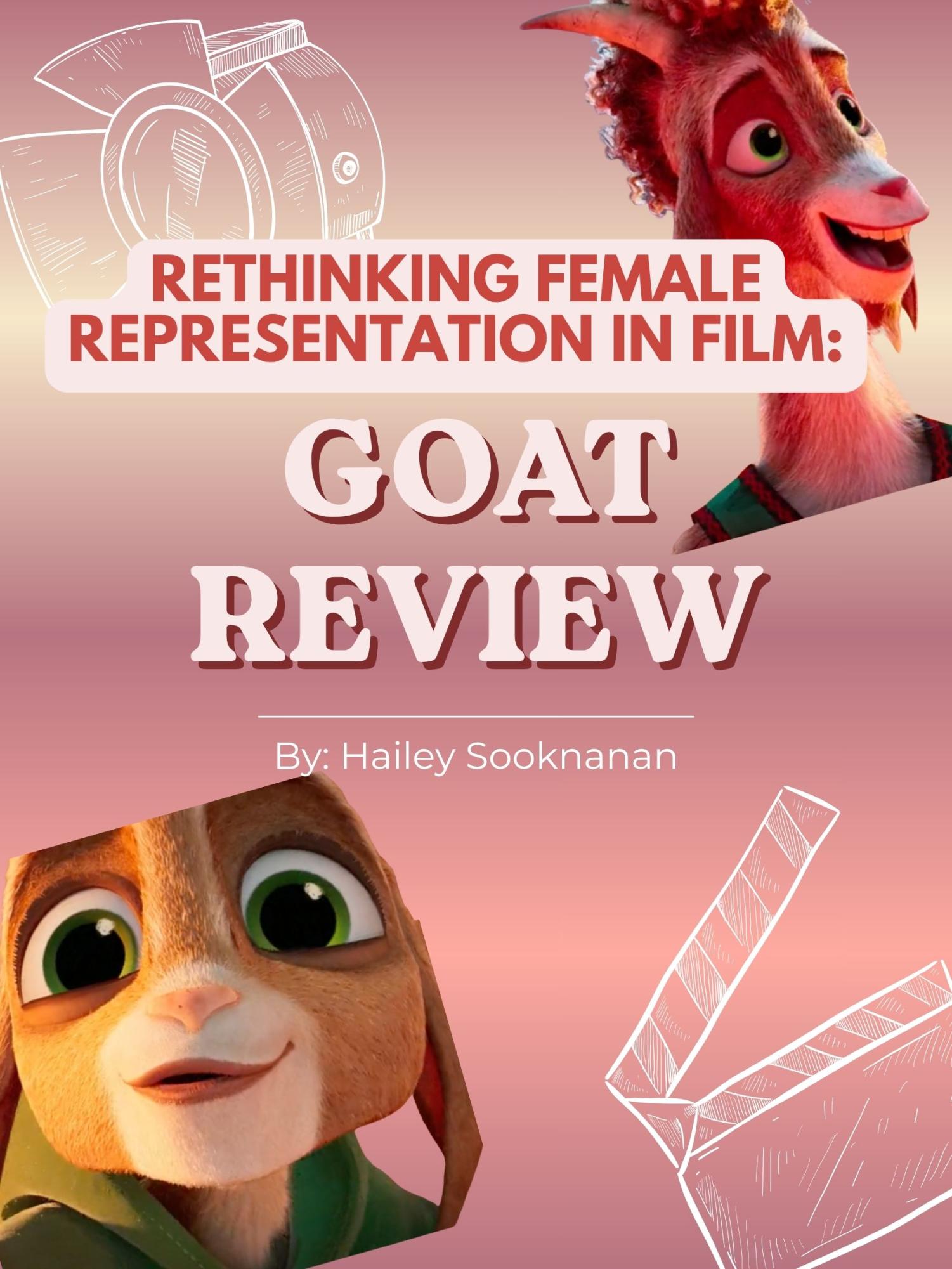
GOAT challenges this pattern by giving its female characters distinct personalities, motivations, and arcs of their own. Rather than serving as damsels in distress or idealized figures, they experience growth and conflict, complicating traditional storytelling structures and raising broader questions about how women are portrayed in film and literature.
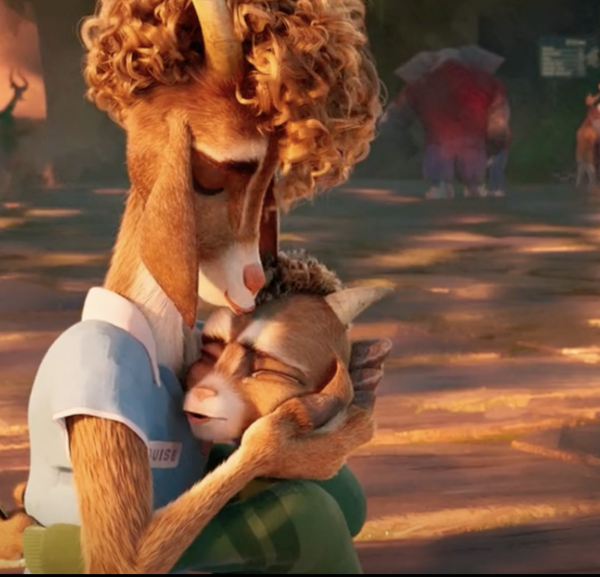
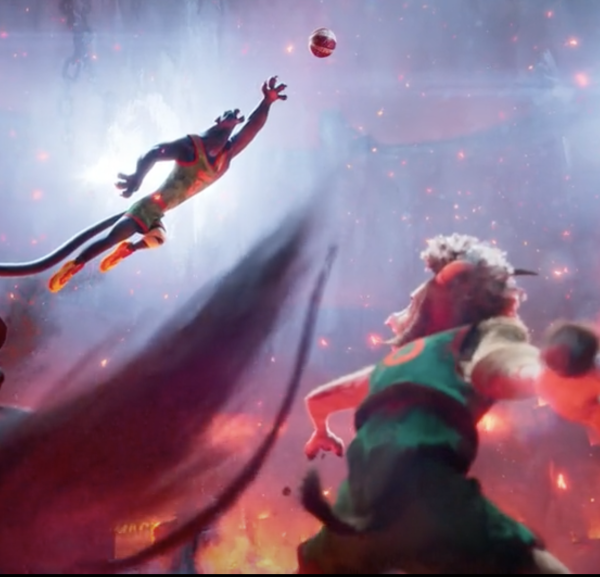
The film itself, produced by the studio behind the Spider-Verse series, is set in a world of anthropomorphic animals similar to Zootopia. It follows Will, a young goat whose dream is to become a basketball player. His ambition is sparked when his mother, despite limited means, saves enough money from her job at a diner to take him to see the town’s basketball team. There, he becomes inspired by Jett Filmore, a female leopard basketball player, and becomes determined to pursue the sport himself. After his mother’s death, Will’s drive intensifies, as he feels a deeper sense of responsibility and determination to succeed despite financial hardship and instability in his life.
Gabriella Simpkins, who has watched the film, reflects on its central message.
“I think the movie was trying to portray the idea of never giving up on your goals. The movie had several characters who had a goal of some sort, and by the end achieved it through perseverance,” Simpkins said. This theme of persistence is reinforced throughout the narrative, as characters confront personal and external challenges in pursuit of their ambitions.
One of the film’s most significant contributions lies in its characterization of Jett Filmore. She is portrayed as a grounded and self-assured presence whose strength comes not from dominance, but from emotional intelligence and clarity of purpose. Rather than existing as a narrative device to elevate Will, she challenges him directly, forcing him to confront his insecurities and assumptions about success and identity. Her refusal to be sidelined allows her to maintain her own goals, even when they conflict with Will’s journey. As a result, her influence on him is not rooted in validation, but in growth, pushing him to reconsider what strength and ambition truly mean.
Alongside her, Will’s mother represents a quieter but equally powerful form of influence. Her character is defined by sacrifice, resilience, and a steady moral presence that shapes Will’s worldview. Rather than undergoing dramatic transformation, she functions as a grounding force, embodying the realities of hardship and the importance of perseverance. While Jett challenges Will externally, his mother shapes him internally, instilling values of responsibility and endurance. Together, these two figures demonstrate that Will’s development is not solely self-driven but deeply shaped by the women in his life, each contributing in distinct but meaningful ways.
“I think that female characters aren’t often given the attention they deserve when there’s a male protagonist,” Simpkins said. She observed that “it’s more often male characters who receive more relevant roles, while women serve as ‘support,’” highlighting a recurring imbalance in storytelling.
GOAT stands out because of its emphasis on character relationships. According to Simpkins, “the relationship dynamics between the characters was the most enjoyable and interesting part of the movie,” showing how interaction and emotional development drive the narrative. She also emphasizes the importance of this representation for younger audiences, stating that “it was nice to see, especially in a children’s movie,” as it can help viewers “navigate the world in a more positive manner.”
Further perspectives reinforce the idea that female representation in media is shaped by long-standing cultural patterns. Nakita Singh argues that “female characters are often viewed as dependent on male characters or just inferior to them,” and notes that even when women are central to a story, “they still severely lack in writing.”
Simpkins identifies recurring stereotypes, stating that women are often portrayed as “always in need of help, having boy-trouble, or just people-pleasers,” reducing them to limited roles. Singh connects this to deeper social attitudes, explaining that “in history they’ve always been viewed as less than,” and that even today, “there are still tons of people who think women aren’t capable,” which continues to influence how they are depicted in media.
Marisa Ramautar similarly highlights how gendered storytelling reinforces unequal dynamics. “Female characters are often viewed as weak when they are with a male protagonist mainly because movies/shows like to make the man appear more as the driving force where the woman is more in the back and quiet,” Ramoutar said. This pattern positions men as the primary agents of action while women are relegated to passive roles. She also points to the persistence of the “damsel in distress” trope, where female characters “need a man to save her,” reinforcing the idea of women as “weak and helpless.”
However, Ramautar notes that some characters challenge these conventions, citing Carmen San Diego as an example of a protagonist who is “not only strong but feminine,” resisting the idea that strength must be expressed through masculinity. Ultimately, Ramautar attributes these portrayals to deeper cultural issues, including “misogyny and egos,” which continue to shape audience expectations and media representation.
Taken together, these perspectives highlight a consistent concern: while progress is being made in certain films like GOAT, broader media still struggles with fully realizing complex and equal portrayals of female characters.