
It used to be that students mainly focused on schoolwork and had time to rest after school. Today, that reality has changed. Many students now juggle extracurricular activities, part time jobs, and hours of studying all in the same day. As a result, sleep is often the first thing sacrificed just to keep up.
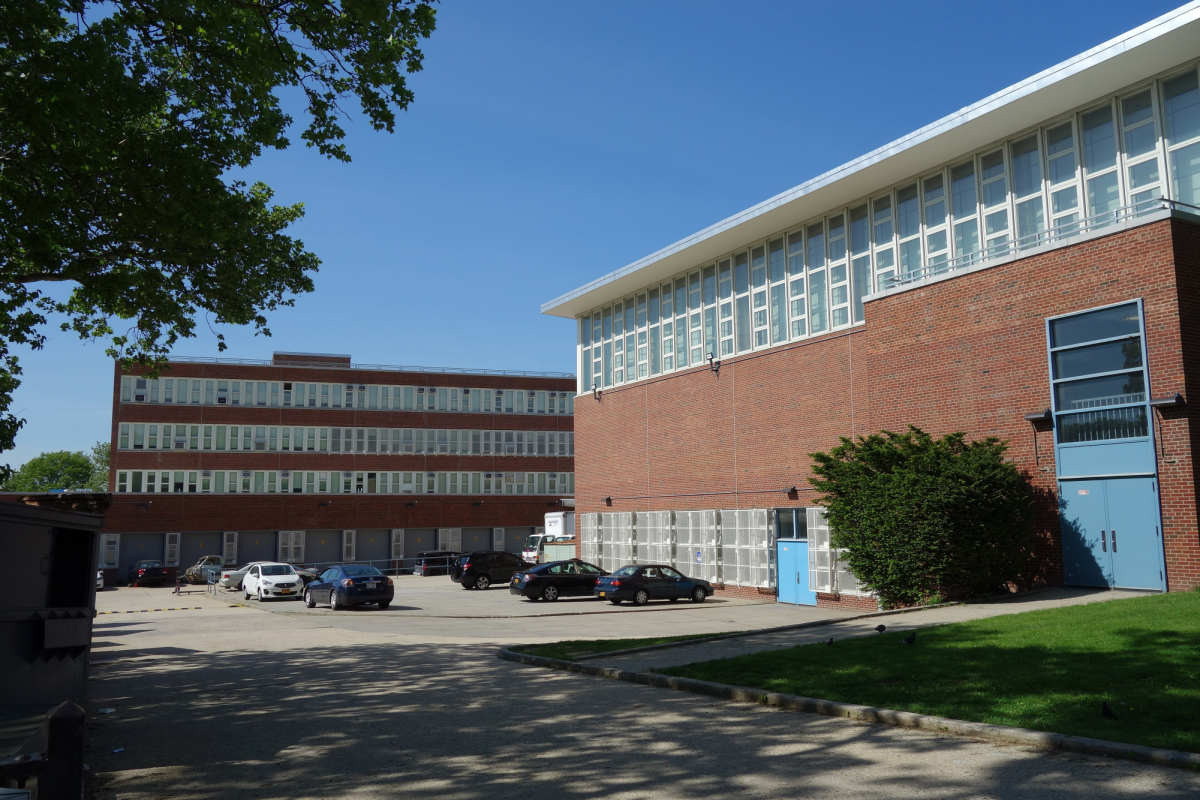
For many students, a typical weekday is packed from morning to night. Jerelyn, a senior at Thomas Edison High School, describes her schedule as a constant balancing act. She explains, “Some days I have practice, BSU meetings, or work after school.” On workdays, she doesn’t get home until 10 p.m., leaving little time for homework and rest.
Despite trying to stay organized with a calendar, the workload quickly builds up. “Working after school takes the most time,” Jerelyn said. Even when responsibilities fall on different days, the overall schedule can still feel overwhelming.
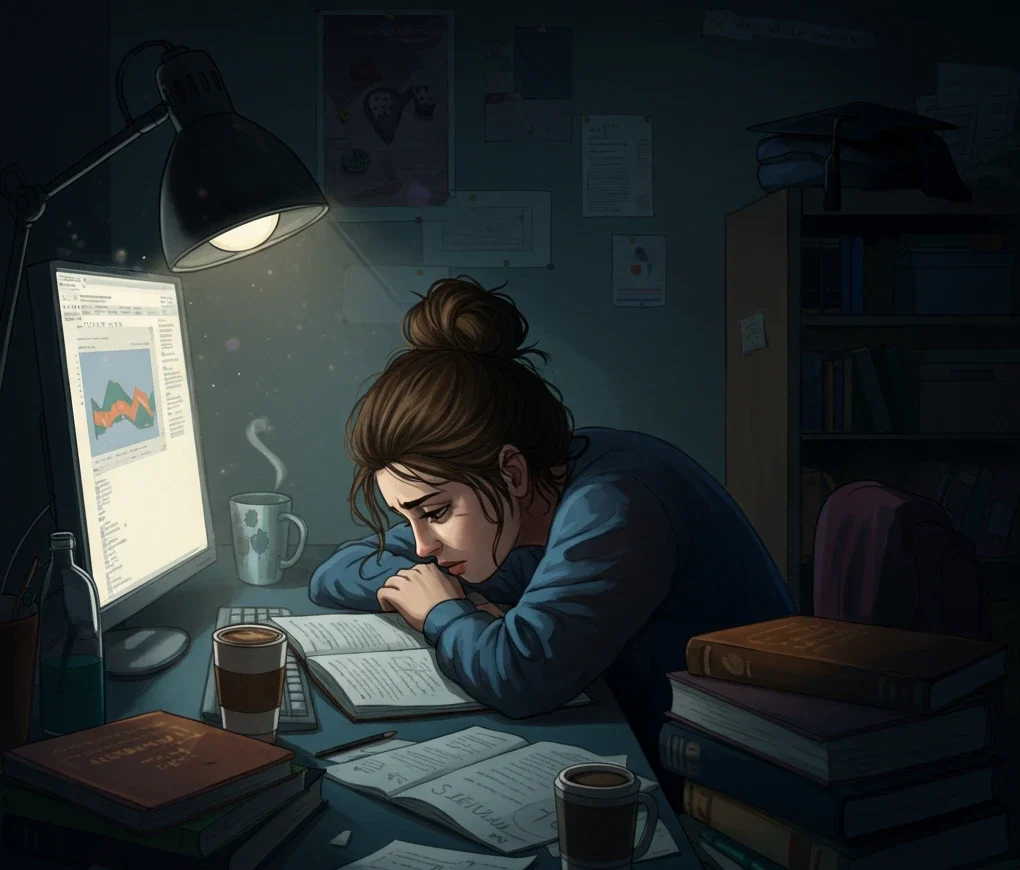
This demanding routine directly affects sleep. Jerelyn averages about six hours a night. “Sometimes I get home really late and still have things to do,” she said. “I wake up really tired or even get to school late.”
Miya, a sophomore at the same school, faces similar challenges. Along with her classes, she attends badminton practice from 3:30 to 5:30 p.m. each day. She tries to complete homework during school, but studying remains her biggest priority. “I prioritize studying first,” she says, especially when preparing for tests.
While Miya usually gets around eight hours of sleep, that number drops during stressful times. “When I’m cramming, I get about five hours,” she admits. The effects are immediate, “I feel tired, unmotivated, and not mentally there. It distracts me from doing my work.”
Teachers are noticing the impact as well. Ms. Cinque, a math teacher at Thomas Edison High School, sees sleep deprivation affecting students daily. “Many students are tired in the morning and afternoon,” she says. “There’s only a small window after lunch when they seem energized.”
Lack of sleep doesn’t just affect students, it also changes how teachers teach. “If students aren’t sleeping, they just stare, and it feels like I’m talking to myself,” Ms. Cinque explains. To keep students engaged, she calls on them or asks them to come to the board. “You have to actively wake them up.”
Sleep deprivation also affects academic performance, mood, and classroom behavior. Students struggle to focus, while teachers must work harder to meet different learning needs. “Managing different levels is already a challenge,” Ms. Cinque says. “Sleep just makes it harder.”
Despite these challenges, students are trying to manage their time more effectively. Jerelyn focuses on setting limits. “I give everything a set time and try not to overwork myself,” she says. Miya agrees, emphasizing the importance of avoiding procrastination. “Get your work done as soon as you can,” she advises.
However, both students and teachers believe bigger changes are needed. Miya suggests schools could reduce stress by avoiding multiple tests on the same day. “It makes me panic,” she says.
Ms. Cinque points to screen time as another major issue. She believes limiting phone use at night could help students get more rest. “Parents should have kids charge their phones in a different room,” she suggests. She also notes that cellphone restrictions in school have already improved focus and engagement.
The issue of student sleep deprivation is caused by a combination of heavy workloads, extracurricular commitments, jobs, and digital distractions. While students continue to push through their busy schedules, the effects on their health and learning are clear.
As responsibilities continue to grow, one question remains. How much longer can students afford to trade sleep for success?