
“Being visibly ‘on trend’ has become a form of social currency,” said Mary Diaz, an adjunct lecturer of sociology at Queensborough Community College. In today’s world of TikTok and Instagram, fashion trends no longer take months to spread; they can go viral overnight, reshaping what students wear, how they see themselves, and how they define their belonging.
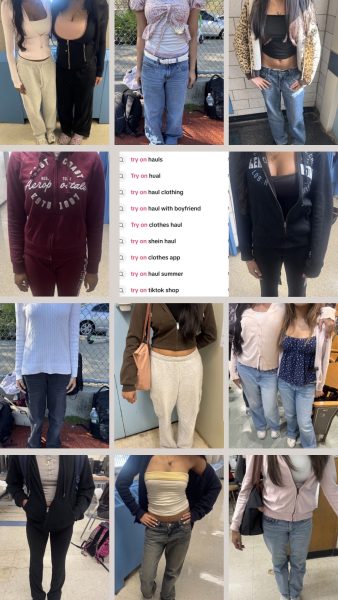
Social media has changed how fashion trends spread, making them faster-moving and more influential in students’ daily lives. Once shaped by designers and magazines, trends now circulate through influencers, try-on hauls, and peer sharing, often gaining attention within hours. As micro-trends rise and fall off in weeks, students are navigating pressure to keep up while trying to maintain personal style, raising questions about their real identity, overconsumption, and mental health.
For many students, social media serves as a primary source of fashion inspiration, and some students have a preference for which app they use.
Ivy Polanco, a senior, said she mainly uses Pinterest to find styles that match her personal features. “I like it because I can look at specifics like skin tone, hair texture, and body shapes,” Ivy said.
Ivy admitted that social media has influenced some of her purchases, including a Lululemon jacket she bought after seeing it online. However, she emphasized the importance of maintaining individuality.
“Trends come and go and it’s better to have your own personal style,” Ivy said. “When you’re a trend hopper you have no sense of self.”
This goes back to my point about validation, and people often get so lost in it that they lose all sense of who they are and what they like. Sociologists describe this kind of influence as part of social capital, where relationships, visibility, and perceived status shape how people present themselves online. (Social Capital Explanation)
Senior Mehejabi Tuami said she also finds inspiration online, particularly on TikTok, where fashion content feels more realistic because clothing can be seen from multiple angles. She recently bought flare leggings from H&M after seeing them styled online and was sure she’d get multiple wears out of them, but said she avoids buying into every trend.
“I’m not a frequent buyer,” Mehejabi said. “If I see something I like, I take my time to look at reviews, fit, and quality.”
The speed of micro-trends has made that increasingly difficult. Aesthetic-driven styles like the popular “clean girl” or streetwear style can dominate feeds and industry one week and disappear the next, often being replaced by new ones before consumers have fully adopted the old ones. Diaz said this constant turnover creates a cycle where visibility and relevance can feel tied to consumption.
That cycle can carry environmental consequences. As students turn to inexpensive clothing to keep up with the constantly changing trends, fast fashion demand grows, and many consumers turn to fast fashion brands like Shein, Fashion Nova, and Zara to keep up, which further contributes to textile waste and overproduction.

More:
View public domain image source here (rawpixel.com)
“The environmental cost is brutal,” Diaz said. “That performance cycle demands constant newness.”
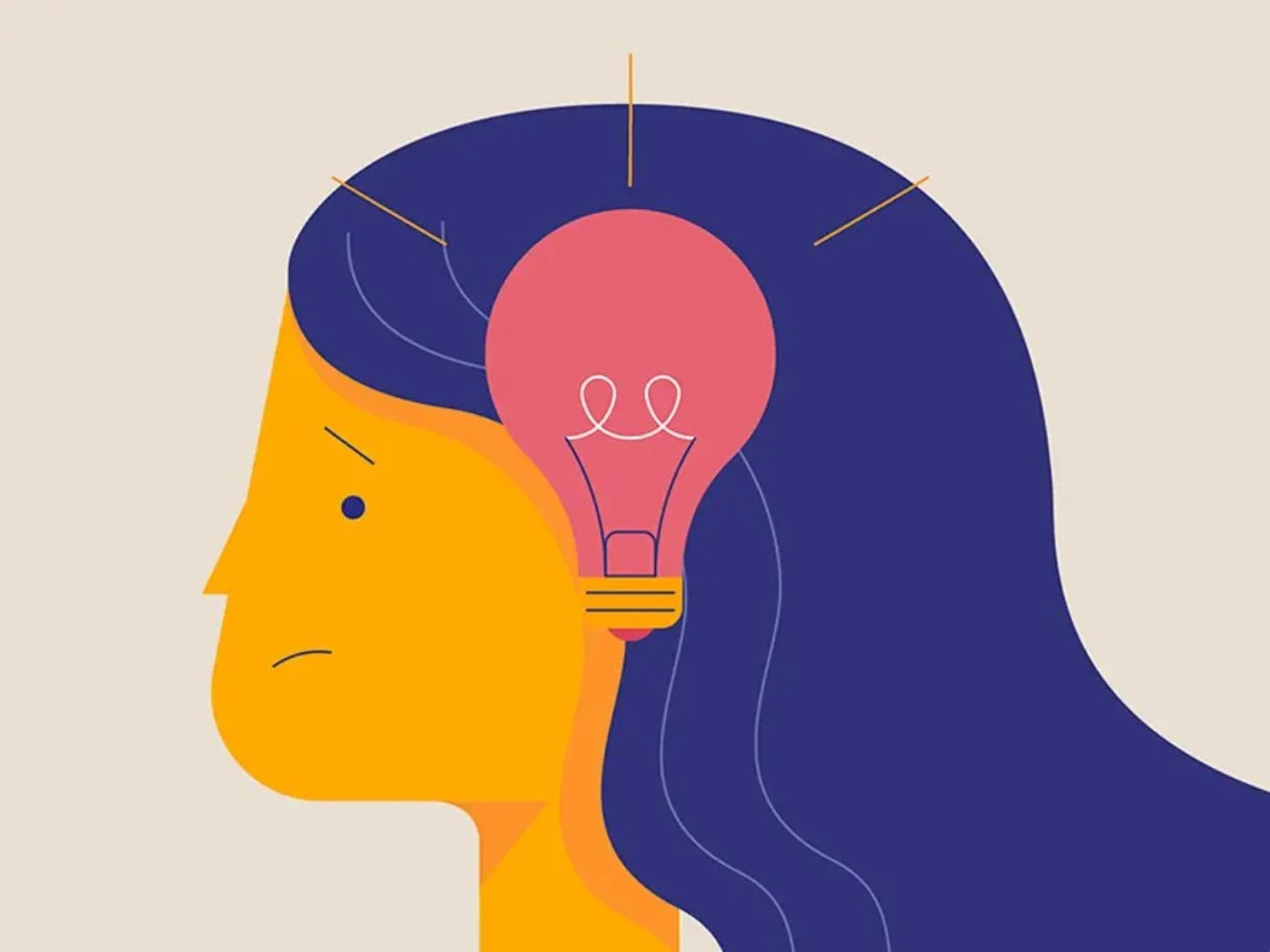
Prof. Diaz also mentions the pressure to stay visibly current and how it can affect students mentally. Constant exposure to perfectly curated outfits and idealized lifestyles can lead to comparison and anxiety, especially when social belonging feels tied to appearance and wealth. (Social Media’s Effect On Mental Health)
On the other hand, some students say that social media does not always erase individuality. Ivy Polanco said trends can be used as inspiration rather than specific instructions to follow, while Mehejabi Tuami said she prioritizes comfort and personal judgment over all.
Diaz said trends can both reflect and shape identity, making it difficult to separate personal taste from social influence.
“You think you’re expressing yourself,” Diaz said, “but you’re often mirroring your peer group.”
As trends continue to move faster online, students are left navigating a shifting balance between self-expression and staying relevant/visible in a constantly increasingly trend-driven world.