
Representation in the media has become more common in recent years, but not all representation is accurate. While some shows aim to include diverse characters, many still rely on stereotypes that can misrepresent entire communities.
As media continues to evolve, many creators are making efforts to include more diverse characters and stories. However, the difference between true representation and stereotypes remains an important issue, especially for students who want to see their identities reflected accurately on screen. Even when diversity is included, it is not always done in a way that feels real or meaningful to the communities being represented.
Ms. Velez, a Digital Media teacher at Edison, believes that representation in media is becoming more inclusive, but still requires thoughtful storytelling and research.
“I feel the trend is becoming more inclusive as they are casting more actors that have those actual backgrounds and identity,” Ms. Velez said.
She explained that while diversity in casting is improving, representation only works when it is done with intention and accuracy, not just appearance.
“Advice I would give is to create something that they resonate with personally and also to do research,” she said. “We want representation where it would affect us the most.”
In her digital media classes, Ms. Velez encourages students to think critically about who is telling a story and how that impacts the message being shared.
For many students, however, the media still falls short when it comes to accurately representing their cultures, especially when stereotypes are repeated across movies, TV, and social media.
Shoshi Shoily, a junior, shared how stereotypes in the media have affected how her culture is portrayed and perceived.
“In the media, there are always stereotypes about my culture,” Shoshi said. “One that is constantly portrayed is the idea of dirty or trash-filled environments. This truly infuriates me because it shows ignorance.”
She explained that these portrayals often ignore the richness, history, and depth of her culture, focusing instead on harmful or incomplete images.
At the same time, Shoshi highlighted how meaningful authentic representation can be, pointing to the film Charulata as an example of accurate cultural storytelling.
“It shows the history of my culture through the clothes, language, and music,” she said. “It is extremely important for me to see South Asian characters in the media who reflect real life.”
Similarly, Varsha Persaud, a junior, explained that Indo-Caribbean representation is extremely limited in mainstream media, often forcing people to identify through broader South Asian portrayals instead.
“I can’t say there isn’t anything, but honestly not often at all,” Varsha said. “Most Indo-Caribbean people find representation through South Asian characters because of the limited roles for people like us.”
Varsha also described how stereotypes can shape identity over time, even for people who feel confident in their background growing up.
“I grew up feeling confident in my culture, but due to stereotypes I feel like I’ve distanced myself from that aspect,” Varsha said. “But I still love being Guyanese.”
Varsha added that she would like to see more accurate and meaningful portrayals of Indo-Caribbean and Hindu identities, especially in everyday storylines that show depth and normal life experiences.
“I would love to see a Guyanese Hindu girl in a rom-com just being in love,” Varsha said. “Even that would be enough.”
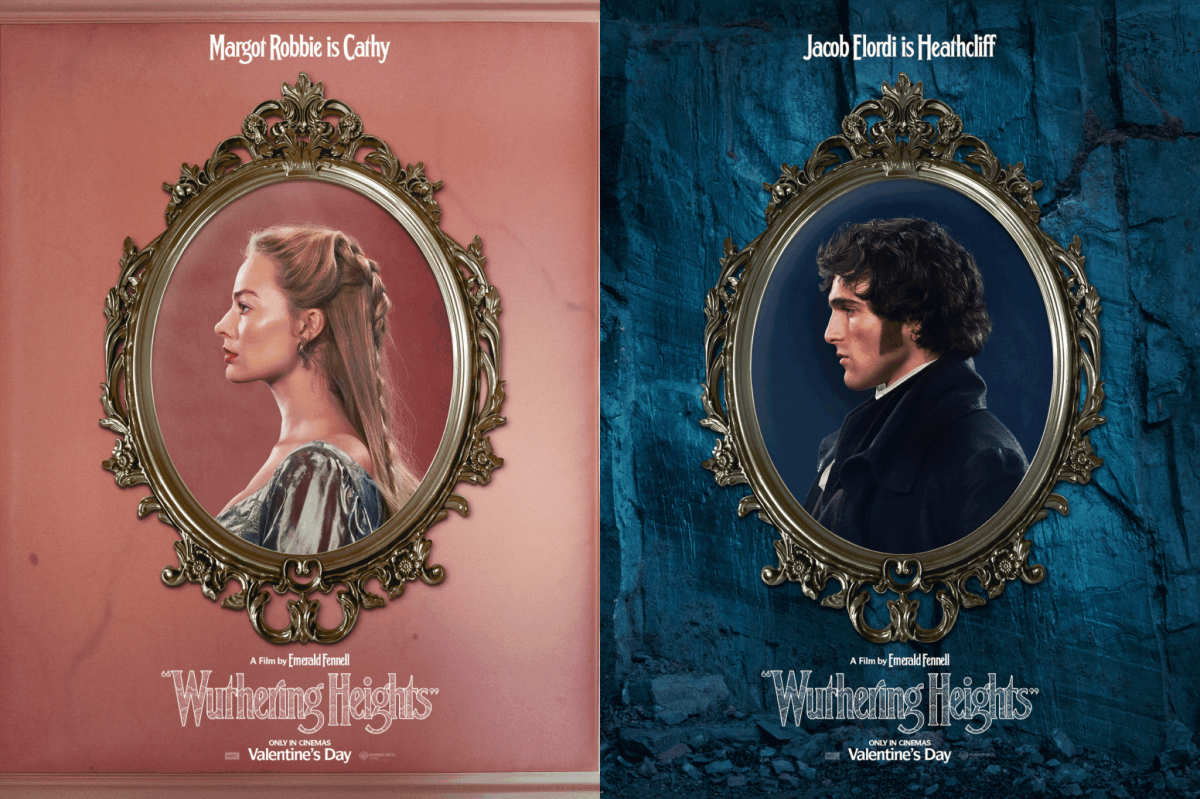
Recent films and media have also sparked wider conversations about representation and stereotypes. Modern adaptations such as Hamlet (2025) have raised discussions about whether updated casting choices truly reflect authentic representation or only create surface-level diversity without deeper cultural accuracy. These debates show that representation is not just about who is included, but how they are portrayed.
At the same time, other films and shows have been praised for more authentic storytelling. Projects like Turning Red have been recognized for portraying cultural identity in a more personal and realistic way, focusing on everyday family life and experiences rather than stereotypes. This contrast highlights how different approaches to storytelling can shape audience understanding in very different ways.
In addition to traditional media, students and teachers agree that social media also plays a major role in shaping representation today.
Ms. Velez explained that short-form content makes social media especially influential because of how quickly it spreads.
“A lot of people have access to short form media, so that one affects them more,” she said.
Shoshi also pointed out how quickly stereotypes can spread online and become normalized.
“Anyone is able to create posts and write things that reinforce stereotypes,” she said. “And it spreads worldwide very fast.”
Despite these challenges, students continue to hope for more authentic and meaningful representation in the future.
Varsha emphasized the importance of seeing real cultural depth in media, not just surface-level diversity.
“I want people to see us as more than stereotypes,” she said. “I want to see our culture portrayed with depth and respect.”
Ultimately, the way cultures are represented in media does not just shape what audiences see on screen, but also how people see themselves in real life.