

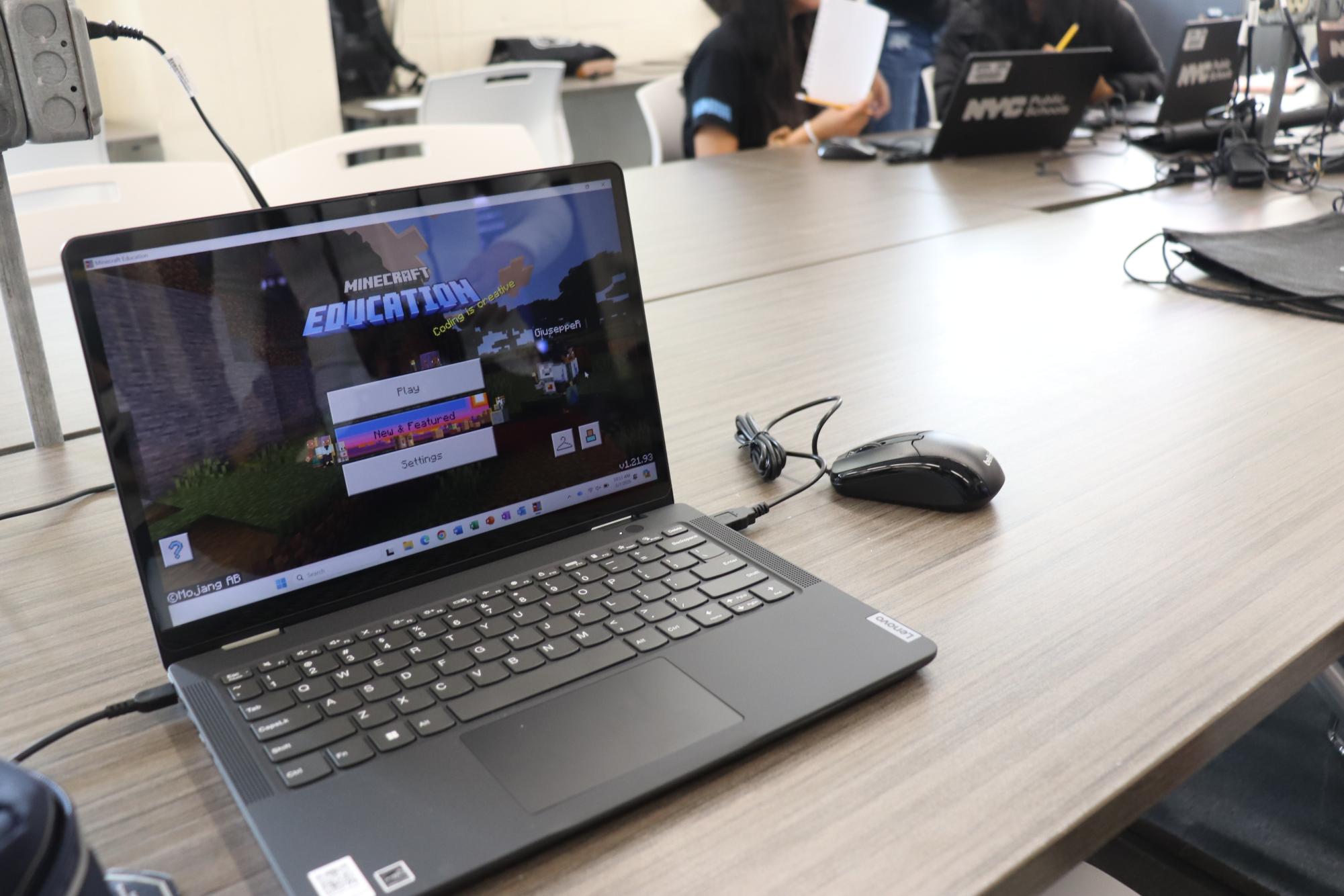
Students from kindergarten through 12th grade are putting their creativity and strategy to the test in the annual Minecraft Battle of the Boroughs competition, a unique experience that combines learning and gaming while keeping the focus on fun.
“They’re learning life skills, they’re learning how to speak in front of people, they’re learning how to work under pressure… skills that they need now for life,” said a volunteer organizer Eddie Mondale, describing the impact of the Battle of the Boroughs competition.
The Battle of the Boroughs is a citywide STEM competition that challenges students to design and build innovative solutions using Minecraft. Hosted at schools like Thomas A. Edison CTE High School, the event brings together teams from across New York City to tackle real world issues through collaborative design. This year’s theme, reimagining Pier 6 in Brooklyn, encouraged students to focus on sustainability, food equity, and community centered spaces, all while working under strict time limits and presenting their ideas to judges.
The Battle of the Boroughs competition continues to highlight how students apply creativity, teamwork, and technical skills in a real world setting. As Mr. Haripersaud explains, “It doesn’t benefit us as a school… it’s more about benefiting the students that build the games and come here to compete.”
Edison has hosted the Queens round for three years, and this year is the first time Edison students are participating. The competition challenges students to design solutions around a central theme, in this case rebuilding Pier 6 in Brooklyn with a focus on sustainability, food equity, and community centered innovation. Students work in teams, submit prebuilt Minecraft worlds, and then take part in timed, on site challenges that test their ability to think quickly and work together under pressure.
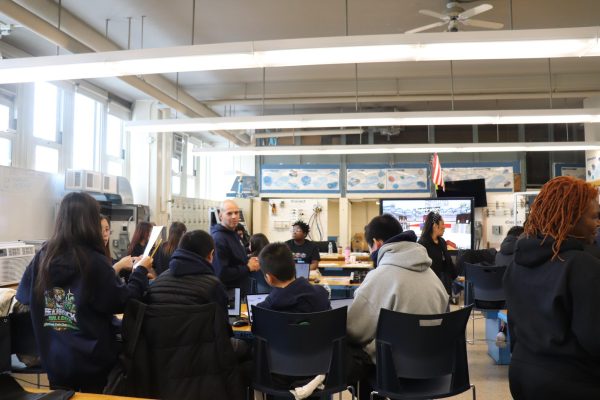
Preparation for the competition varies widely among participants. Some students spend months or even years developing their projects, while others prepare in just a few weeks. One group, the Lightning Lions, began practicing in November 2025, working both in school and at home. They used Google Classroom to collaborate, sharing access to their Minecraft builds and refining their ideas together. Their preparation included timed practice sessions where they planned for five minutes and built for about thirty. When it came time to present, they described their feelings as “very scared and happy at the same time,” but also excited and engaged.
Similarly, the team Fearless Fireworks from PSU 39, who ultimately won the elementary division, reflected on both the challenges and rewards of their experience. They described the event as fun but extremely stressful, especially during the timed building and presentation portions. With only a few minutes to explain their ideas, they often had to rush, making it hard to include everything they wanted to say. As time ran down, the pressure increased, and they found themselves scrambling to finish their builds and organize their thoughts.
Even with those challenges, the team showed clear growth. Compared to earlier rounds, they became more organized and worked better together. Instead of scrambling, they divided responsibilities and helped each other when tasks were finished. Some members were new to the competition, which made the experience more nerve wracking at first, but they quickly adjusted by learning from their teammates. By the second round, they felt more confident and prepared.
Their project also showed a strong connection to the competition’s themes. The team included a memorial inspired by a Native American tribe from Willets Point, something they researched to better understand its significance. They also focused on practical ideas, like using bamboo as a way to manage water. Instead of trying to make everything overly complicated, they focused on simple, meaningful solutions that still made an impact.
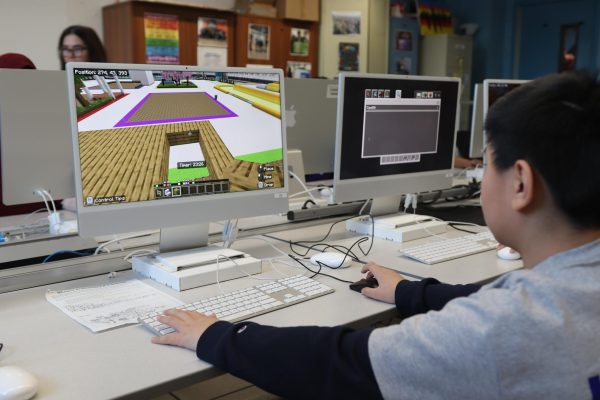
Looking ahead, the team is excited to keep improving. They want to explore more with code builders and redstone, tools they found fun and helpful because they allow them to test ideas and fix mistakes easily. Their win reflects not just their technical skills, but also their ability to stay calm under pressure, support each other, and keep improving.
“It was really stressful, but also really fun,” one student said. “When you hit 15 minutes, you start panicking, but we always made it work.” Another added, “The second round was easier because we knew what to do, and we worked together more.” Looking ahead, a teammate shared, “I want to try more code builder and redstone ideas, because you can always fix it and make it better.”